Home › Learn › Photochromic Progressive Lenses: Two Jobs in One Lens
LENSES
Photochromic Progressive Lenses: Two Jobs in One Lens
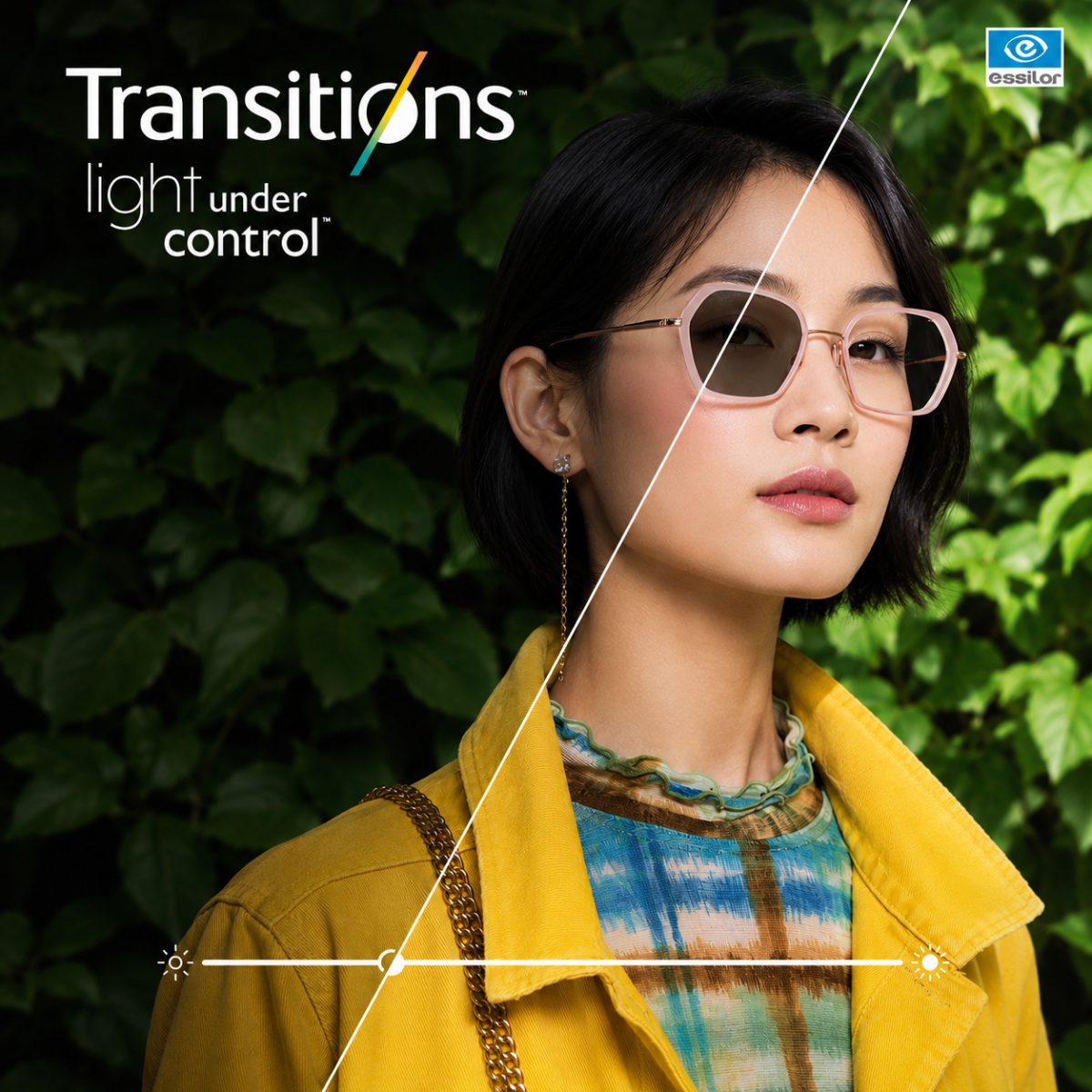
A photochromic progressive lens is a two-in-one option for anyone with presbyopia who splits their day between indoors and outdoors: one lens handles near, intermediate and distance vision, and also darkens automatically in the sun and clears back indoors. Here's what actually determines whether it's worth it for you.
What is a photochromic progressive lens?

A photochromic progressive lens combines two separate technologies. On the vision side, it lets you see clearly at every distance — far, intermediate and near — on one lens surface with no visible dividing line. On the protection side, the lens contains light-sensitive molecules that automatically darken on exposure to UV and clear back to transparent indoors.
That combination solves the everyday hassle of presbyopia: no longer carrying a separate prescription pair and a separate pair of sunglasses. With one pair, you can read text clearly and drive comfortably in strong sun, with your eyes staying relaxed rather than squinting.
Why a quality photochromic progressive lens is worth the investment
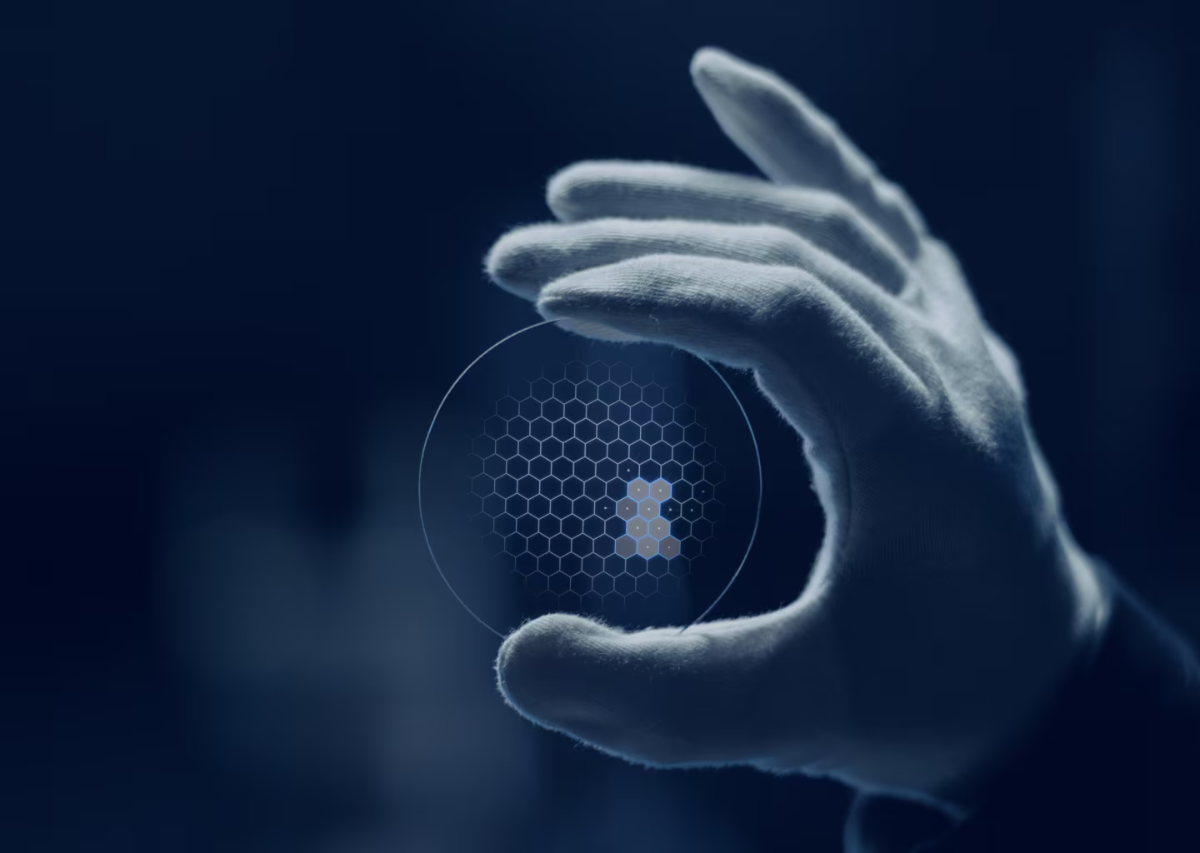
There are cheap photochromic lenses on the market, but for a progressive design specifically, the quality of the lens blank and the color-change speed are what decide the wearing experience. Premium photochromic progressive lines use digital surfacing for a wider field of view, cutting down on the dizziness that's common with lower-end designs.
Blue-violet filtering from screens and sunlight is typically built in as standard. Investing in a genuine pair isn't just about convenience — it's also a durable layer of protection against UV-related conditions such as cataracts and macular degeneration that build up over years of exposure.
Essilor Transitions: photochromic technology from France
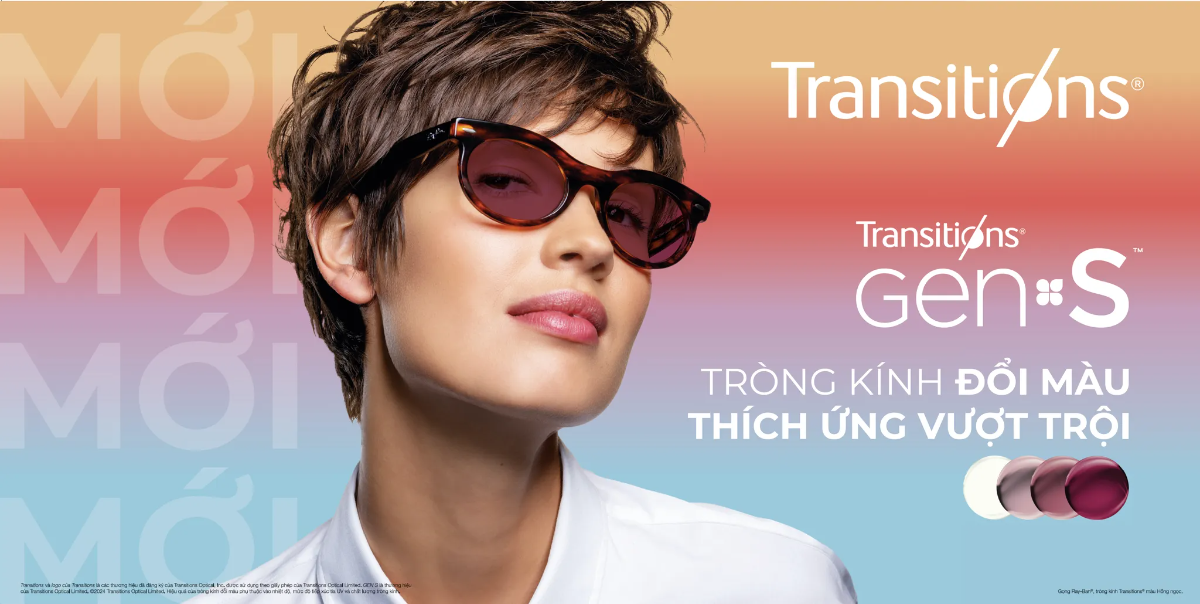
Essilor is a leading global lens brand with the well-known Transitions line. The latest generation, Transitions Gen S, darkens very quickly, reaching sunglasses-level darkness in just a few seconds once you step outside. That matters for anyone who moves often between different lighting environments.
Essilor Varilux progressives paired with Transitions deliver sharp vision at every distance along with a fashionable color range — smoke grey, tea brown, green, and Style Colors like amethyst purple or sapphire blue. The lens returns to near-clear indoors, keeping a polished, professional look.
Zeiss PhotoFusion X: precision and durability from Germany
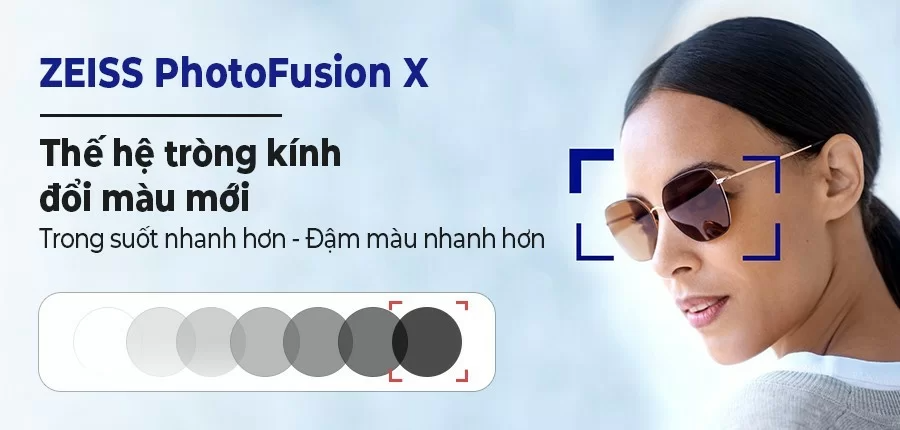
If German engineering appeals to you, Zeiss PhotoFusion X is worth a close look. Zeiss progressive lenses are known for personalizing the design around your actual viewing habits, paired with fast-reacting photochromic molecules that clear back to transparent noticeably quicker than earlier generations.
Zeiss's strength here is clarity and how well the color-change performance holds up over years of use. The DuraVision anti-reflective coating cuts ghosting effectively, delivering sharp, HD-level vision. It suits professionals and business users who want both function and polish.
Real benefits for people who are constantly on the move
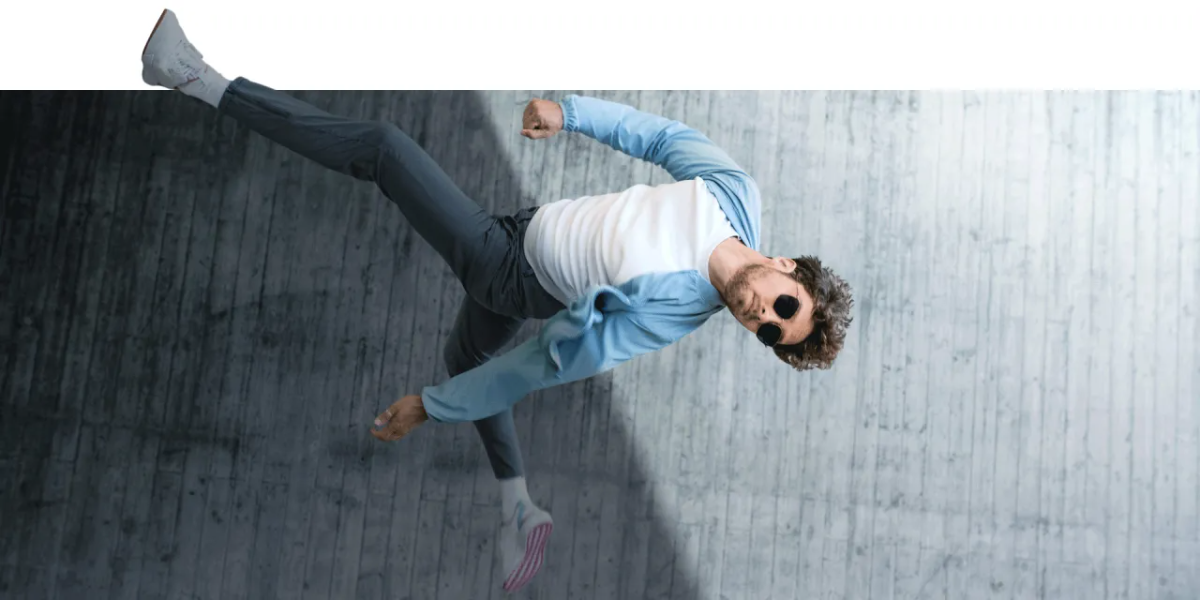
For anyone with an active routine — frequent travel, outdoor client meetings, or sport — a photochromic progressive lens is a genuinely useful companion. Instead of fumbling to swap prescription glasses for sunglasses when you step out of a car, the lens adjusts its darkness automatically to the light.
That keeps your eyes at their most comfortable without having to over-adjust for sudden light changes. The smooth transition between near and distance vision, combined with the flexible color shift, helps you stay composed and ready in any situation.
Things to know about using photochromic progressives in a car
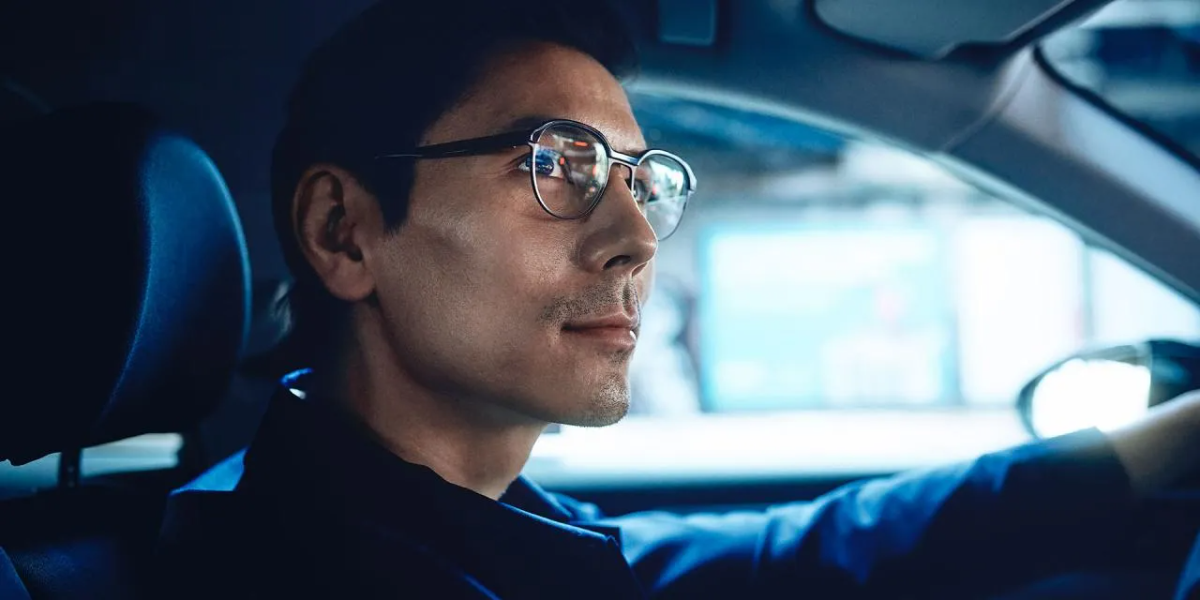
An important thing to know: most standard photochromic lenses won't darken much while you're sitting in a car. That's because modern windshields already filter out the UV that triggers the color-change reaction, so the light-sensitive molecules in the lens don't get the trigger they need.
That said, major brands including Essilor and Zeiss offer driving-specific versions, such as Transitions Drivewear, or dedicated technology that still darkens behind windshield glass. If you drive long distances often, ask Manh Long Optical for the right version for that specific need, so your vision stays comfortable on every stretch of road.
Specialized progressive fitting at Manh Long Optical
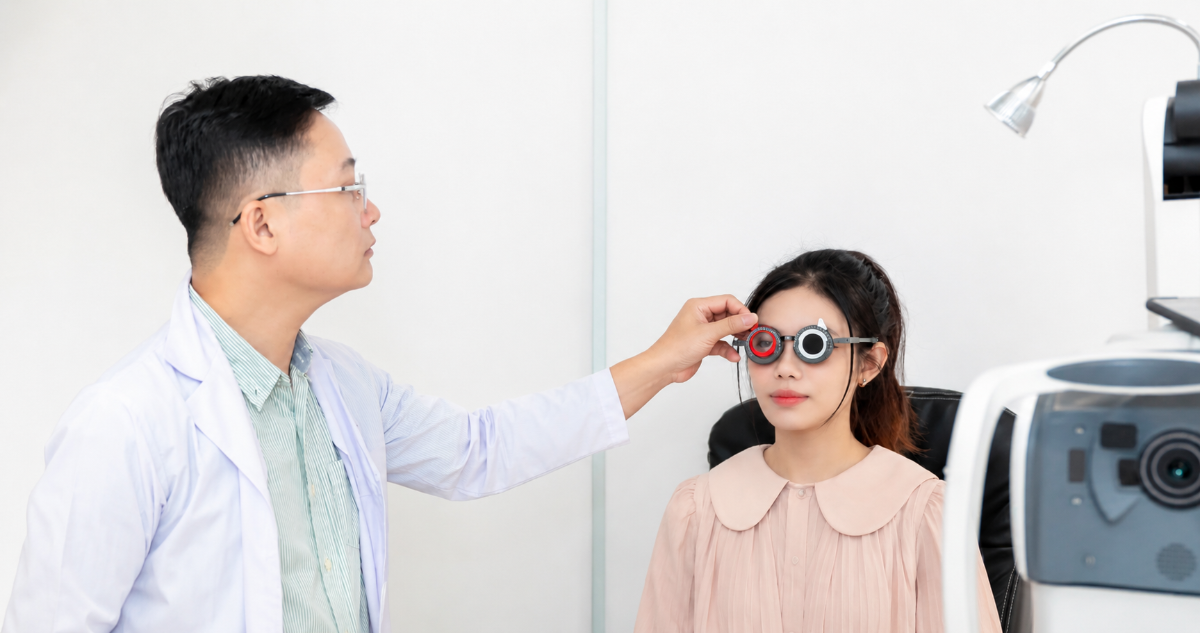
Cutting a photochromic progressive lens demands real precision. Being off by even a few millimeters on the optical center is enough to make a wearer dizzy and unable to use the lens. At Manh Long Optical, we run a 10-step refraction to international standard, pinning down the exact personal measurements needed for the widest possible field of view.
Our technicians will walk you through the head and eye movements that help you adapt to a progressive lens in the shortest time. The combination of modern equipment and years of experience is what makes Manh Long Optical a reliable choice for customers around Cua Nam looking for a premium progressive fitting.
Common questions
- Do photochromic progressive lenses darken behind a car windshield?
- Standard versions usually don't, since the windshield already filters out the UV that triggers the reaction. Ask about a driving-specific version like Transitions Drivewear if you drive long distances often.
- How long does it take to adapt to a photochromic progressive lens?
- A few days to two weeks for most wearers, faster with a digitally surfaced design and an accurate fitting-height measurement.
- Is Essilor Transitions or Zeiss PhotoFusion X better?
- Both are strong; Transitions Gen S stands out for color-change speed and color range, while PhotoFusion X is known for how quickly it clears back to transparent and for its DuraVision anti-reflective coating. Compare both in person at the shop.
- Do these lenses help prevent cataracts and macular degeneration?
- A genuine lens with full UV protection helps reduce UV buildup, one of the risk factors linked to these conditions — it isn't a guarantee of prevention.
- How quickly does a photochromic lens go fully dark outdoors?
- With Essilor Transitions Gen S, we've seen it reach near-sunglasses darkness within a few seconds of stepping into sunlight — much faster than the return trip: indoors, most photochromic lenses take anywhere from tens of seconds to one to two minutes to clear back, depending on brand and outdoor temperature. Elements is a mid-range photochromic line the shop also carries, working on the same principle, though we don't have a separate darkening-speed figure for it. To know the real speed on the exact lens you're buying, come try it outdoors at the shop.
- Does the lens darken while I'm driving?
- A standard version won't — ask about the driving-specific technology if this matters to you.
- How long do photochromic progressive lenses last?
- Around two to three years of daily wear before the color-change speed and coating noticeably decline, similar to other premium photochromic lines.
Come compare both brands in person
Manh Long Optical fits genuine Essilor Transitions and Zeiss PhotoFusion X photochromic progressive lenses at 147A Le Duan, Cua Nam, with a 10-step refraction process. Come in for a fitting and a clear quote.
Manh Long Optical — 147A Le Duan, Cua Nam, Hanoi
Open daily 8:00 – 21:30
0777 986 999 · WhatsApp · Zalo · mlong.optical@gmail.com · Directions